Quick answer: A leaking chimney usually lets water in through a damaged cap, a cracked crown, worn flashing, or cracked brick and mortar. Where you see the water is often not where it gets in. Fixing a leak before winter matters because water that freezes inside masonry expands and can turn small cracks into bigger damage. An inspection finds the actual entry point so the right repair can be made.
Key takeaways
- Water often travels before it shows up, so the stain is rarely at the source.
- The most common entry points are the cap, crown, flashing and masonry.
- Connecticut freeze-thaw cycles can make existing damage worse over the winter.
- Diagnosis should come before choosing a repair.
- Waterproofing protects sound masonry. It does not fix cracks or damaged parts.
A puddle in the firebox after a rainstorm. A brown stain on the ceiling next to the chimney. A musty smell that will not go away. These are common signs of a chimney leak.
The tricky part is that water rarely shows up where it gets in. It can run down the inside of the chimney, along framing or through gaps first. Finding the true source is the key to fixing it properly.
Common signs of a chimney leak
- Water in the firebox, especially after rain or melting snow
- Dampness or a musty smell around the fireplace
- Stains on ceilings or walls near the chimney
- Peeling paint or wallpaper next to the chimney
- Rust on the damper, firebox doors or other metal parts
- White staining (efflorescence) or dark water marks on the brick
- Crumbling mortar or flaking bricks on the outside of the chimney
Other parts of the house, such as the roof, windows or siding, can cause similar symptoms. A professional can tell whether the chimney is the real source.
Seeing any of these? Tell us what you see. We will tell you whether it looks like a chimney leak and how soon to book. Book a leak inspection or call (860) 854-1894.
Why waiting costs more: what winter does to a leak
Connecticut winters bring repeated freezing and thawing. That is hard on chimneys:
- Water soaks into small cracks in the brick, mortar or crown.
- When temperatures drop, it freezes and expands.
- The ice pushes the cracks wider.
- When it thaws, more water gets in, and the cycle repeats.
Over a winter, small, easy repairs can turn into bigger ones: flaking bricks, crumbling mortar and a cracked crown. That is why fall is a good time to find and fix leaks, before the freeze-thaw season starts.
Find the leak before the freeze. Book a leak inspection and we will find where the water is getting in. Inspections start at $69 and basic chimney cleaning starts at $199, with 10% off for seniors and veterans. Book an inspection or call (860) 854-1894.
Where can water enter?
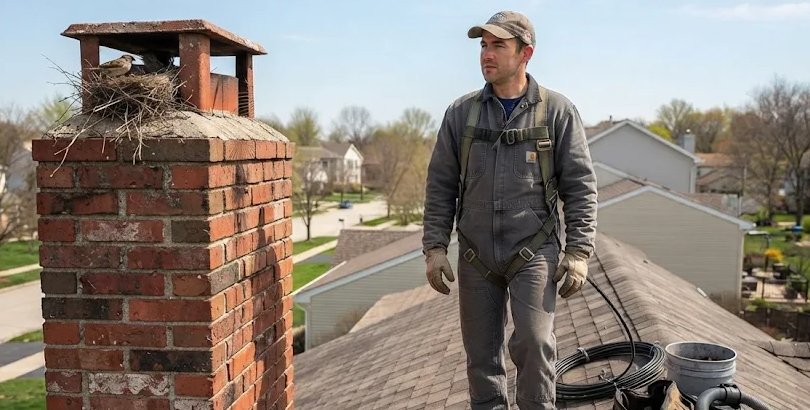
Missing or damaged chimney caps. The cap sits on top of the flue opening and keeps out rain, snow, debris and animals. Without one, or with a rusted or damaged one, rain can fall straight down the flue into the firebox.
Cracked or poorly built crowns. The crown is the concrete or mortar surface that covers the top of a masonry chimney. It should slope to shed water and overhang the sides. When it cracks, or was built too flat or thin, water sits on it and soaks in.
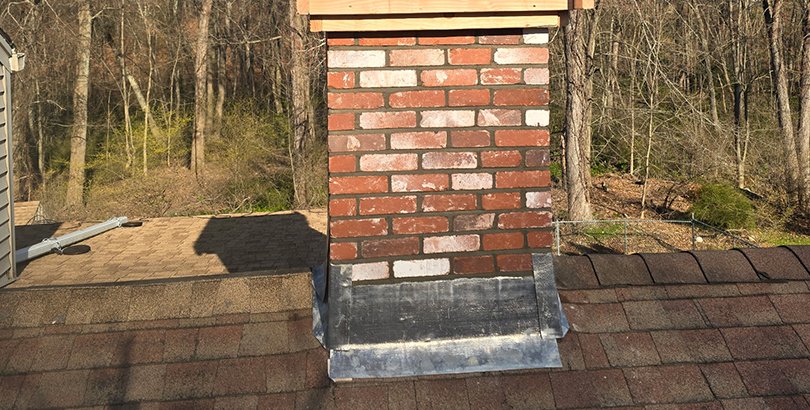
Flashing and roof-to-chimney connections. Flashing is the metal that seals the joint where the chimney meets the roof. It is one of the most common leak sources. It can loosen, rust or separate, and the sealant can dry out and crack. Learn more about our chimney repair services.
Deteriorated brick and mortar. Brick and mortar absorb some water. When joints wear away or bricks crack and flake, much more gets in and can travel into your home.
Chase covers on factory-built systems. Factory-built chimneys are often enclosed in a framed box called a chase. A rusted, dented or poorly fitted chase cover can let water in and down into the home.
Condensation or other sources mistaken for rain leaks. Condensation can form inside a flue, especially when gas or oil appliances vent into a chimney that is too large or not properly lined. It can look like a leak, but the fix is different. Roof and window leaks can also be mistaken for chimney leaks.
Not sure which one it is? That is what the inspection is for. One stain, six possible sources. We find yours. Book a leak inspection or call (860) 854-1894.
How Armstrong finds the leak
- History. Ask about the history: when does it leak? Only in heavy rain, with wind from one direction, or after snow melts?
- Evidence. Look at visible evidence inside and outside the home.
- The parts. Inspect the cap, crown, flashing, masonry and flue.
- Testing. Test where appropriate, such as a water test on specific areas, to confirm the source.
Diagnosis comes first. Choosing a repair before you know the source often means paying for work that does not stop the leak.
Repair options depend on the cause
- Cap installation or replacement, for missing or damaged caps
- Crown repair or replacement, for cracked or poorly built crowns
- Flashing repair or replacement, for leaks at the roof line
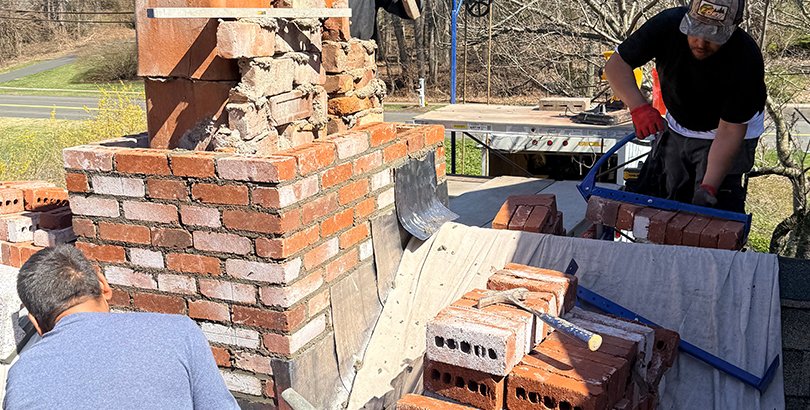
- Masonry repair, such as repointing worn mortar joints or replacing damaged bricks
- Chase cover replacement, for factory-built chimneys
- Waterproofing, using a breathable water repellent made for masonry
Waterproofing can protect brick that is in good shape. It is not a substitute for repairs. It will not seal a cracked crown, fix flashing or replace missing mortar. Those need to be repaired first.
Get a repair recommendation based on the actual source. Inspection first, then a clear recommendation. Book a leak inspection or call (860) 854-1894.
Why interior patches may not solve the problem
It is tempting to paint over a ceiling stain or patch drywall and call it done. But:
- The water is still getting in. Interior repairs do not stop the leak at the source.
- Hidden damage can grow. Water can rot framing, damage insulation and encourage mold behind the walls.
- The wrong coatings can make it worse. Some sealants and paints trap moisture inside the masonry. That trapped water can freeze and cause more damage. Masonry needs products designed to let it breathe.
Fix the source first. Then repair the interior.
Stop the water first. Book a leak inspection and fix the cause before repainting. Book a leak inspection or call (860) 854-1894.
What affects repair scope and cost?
Every leak is different. The cost depends on:
- The source and how far the damage has spread
- Access, such as roof pitch and chimney height
- Materials and the type of chimney (masonry or factory-built)
- Hidden damage found once work begins, such as rotted framing or damaged flue tiles
Request an estimate: an inspection tells us the source, and then we can give you a clear estimate for the repair.
Frequently asked questions
Why does it leak only during wind-driven rain?
Wind can push rain sideways into gaps in flashing, mortar joints or under a cap that would stay dry in straight-down rain. This pattern is a useful clue for your technician. Tell us when it happens.
Is the leak from the roof or the chimney?
It can be hard to tell, since water travels before it appears. A professional can inspect both and, if needed, test specific areas to confirm the source. Book a leak inspection.
Can waterproofing repair cracked masonry?
No. Waterproofing protects sound brick from absorbing water. Cracks, missing mortar and damaged bricks need to be repaired first. Ask us what your chimney needs.
Does every leaking chimney need rebuilding?
No. Many leaks are fixed with targeted repairs such as a new cap, crown repair, new flashing or repointing. Rebuilding is usually only needed when damage is severe and widespread. Get a repair recommendation.