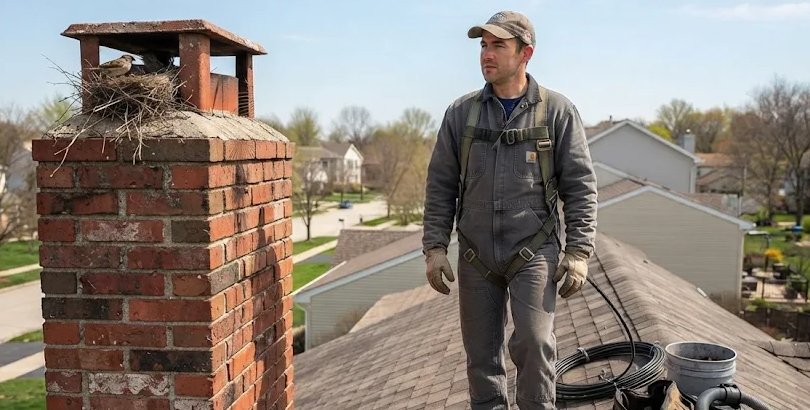
Quick answer: Yes. A chimney carries smoke and combustion gases, including carbon monoxide (CO), out of your home. If it is blocked, damaged or not drafting properly, those gases can flow back into your living space. CO has no smell, color or taste, so a working CO alarm and regular chimney inspections are your best protection.
Key takeaways
- Any appliance that burns fuel produces CO, including fireplaces, wood stoves and many furnaces and water heaters.
- A blocked or damaged chimney can stop CO from venting outside.
- You cannot see, smell or taste carbon monoxide.
- CO alarms warn you. They do not replace chimney and appliance maintenance.
Most people think of a chimney as the way smoke leaves a fireplace. It also carries invisible gases, including carbon monoxide, out of your home. When it cannot do that, those gases have to go somewhere. Often that somewhere is inside your house.
What is carbon monoxide?
Carbon monoxide is a gas produced when fuel burns. Wood, natural gas, propane, oil and coal all produce it. You cannot see, smell or taste it. When it builds up indoors it can make people and pets seriously ill, and at high levels it can be deadly.
According to the U.S. Centers for Disease Control and Prevention (CDC), common symptoms of CO poisoning include headache, dizziness, weakness, upset stomach, vomiting, chest pain and confusion. These are often mistaken for the flu. People who are asleep may not notice symptoms at all.
If you think anyone has been exposed, get to fresh air and seek medical help right away.
How a chimney helps vent combustion gases
When a fire burns, warm smoke and gases rise up the chimney and out of the house. This upward flow is called draft. Different appliances vent in different ways:
- Open fireplaces vent through a masonry or factory-built chimney.
- Wood stoves and inserts usually vent through a chimney or a dedicated liner.
- Furnaces, boilers and water heaters may share a chimney flue, use their own flue, or vent through a separate pipe.
That last point matters. Even if you never use your fireplace, your chimney may still be venting your heating system.
Not sure what your chimney vents? An inspection tells you how your appliances are vented and whether the flue is clear. Book an inspection or call (860) 854-1894.
How blockages and venting problems create risk
- Obstructions. Bird and animal nests, leaves, debris or fallen masonry can block the flue.
- Heavy deposits. Thick creosote or soot narrows the space for gases to escape.
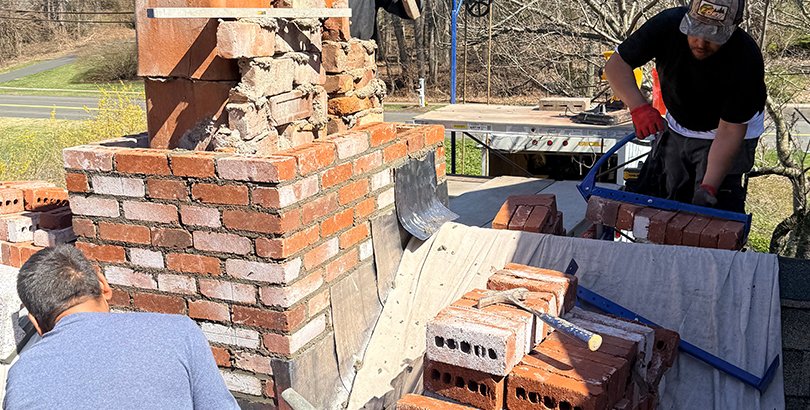
- Damaged venting parts. Cracked flue tiles, a deteriorated liner or gaps can let gases leak into the home or walls.
- Draft and pressure problems. If air is pulled down the chimney, for example by exhaust fans in a tightly sealed home, gases can be pushed back into the living space.
Not every blockage has the same result. A partial blockage might cause occasional smoke. A full blockage on a heating appliance flue can be much more dangerous. Only an inspection can tell you how serious a specific problem is.
Why smell and visible smoke are not reliable CO tests
- Smoke and carbon monoxide are not the same thing. You can have dangerous CO with no visible smoke.
- Gas appliances can produce CO with little or no smoke or odor.
- Smelling smoke means something is wrong. Not smelling it does not mean you are safe.
The only reliable way to know CO is present is a working carbon monoxide alarm. But alarms only warn you after CO is already in the air. Maintenance helps prevent the problem in the first place.
If a CO alarm sounds or exposure is suspected
Follow these steps, based on guidance from public health and fire safety agencies:
1. Get out. Move everyone, including pets, outside to fresh air immediately.
2. Call for help. From outside, call 911 or your local fire department.
3. Get medical care for anyone who feels sick, especially with headache, dizziness, nausea or confusion.
4. Stay out. Do not go back inside until emergency responders say it is safe.
5. Have the source checked. Before using fuel-burning appliances again, have the chimney and appliances inspected by qualified professionals.
Do not open windows and stay inside, and do not try to find the cause yourself.
Prevention: alarms, inspection and appliance maintenance
Install and maintain CO alarms. Place them on every level and outside sleeping areas, following the manufacturer’s instructions. Test them regularly, replace batteries as directed, and replace alarms by the date the manufacturer recommends. Most have an expiration date printed on them.
Have your chimney inspected every year. NFPA 211 recommends that chimneys, fireplaces and vents be inspected at least once a year. An inspection checks for blockages, buildup and damage that could affect venting.
Maintain your fuel-burning appliances. Furnaces, boilers, water heaters and gas fireplaces should be serviced according to the manufacturer’s instructions by qualified technicians.
Fix known problems. If an inspection finds a blockage, damaged liner or venting issue, have it fixed before using the appliance.
Follow operating instructions. Use each appliance only as designed. Never use a gas range, oven or outdoor equipment such as a grill or generator to heat your home.
Make the yearly chimney check part of your CO plan. We check that your chimney is clear and venting properly. Inspections start at $69 and basic chimney cleaning starts at $199, with 10% off for seniors and veterans. Book an inspection or call (860) 854-1894.
What Armstrong can inspect, and when another professional is needed
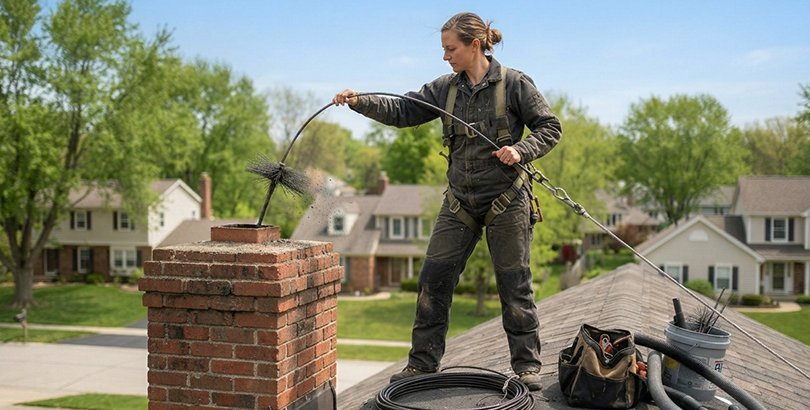
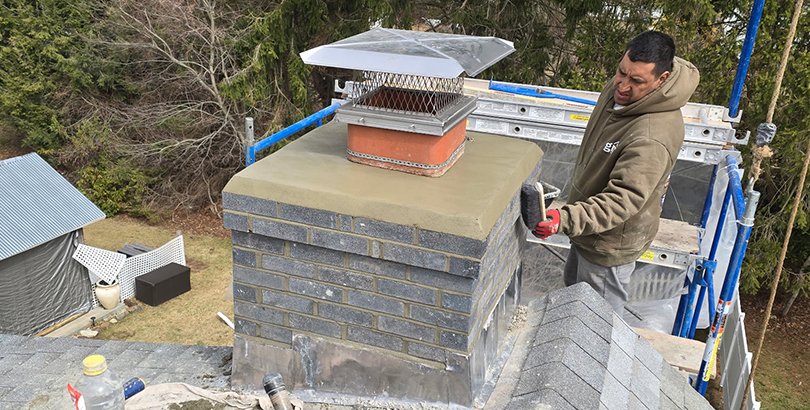
Armstrong inspects and services chimneys and flues, including masonry and factory-built chimneys, liners, caps and dampers. We check for blockages, buildup, damage and venting problems in the chimney system.
Some issues fall outside chimney work. Problems inside a gas furnace, boiler or water heater should be handled by a licensed HVAC or appliance technician. If our inspection finds something outside our scope, we will tell you and recommend the right type of professional.
Frequently asked questions
Can gas appliances have venting problems?
Yes. Gas furnaces, water heaters and gas fireplaces produce CO and need proper venting. A blocked or damaged flue can cause CO to back up into the home, often without visible smoke. Ask about a routine chimney inspection.
Does a CO alarm replace a chimney inspection?
No. An alarm warns you when CO is already in your home. An inspection helps find and fix problems before that happens. You need both.
Can an unused fireplace affect another appliance’s venting?
It can. If your furnace or water heater shares a chimney with an unused fireplace, a blockage can affect those appliances. An inspection can tell you how your appliances are vented. Book one.
Can I tell whether CO is present by looking at the chimney?
No. Carbon monoxide cannot be seen. Soot, smoke or damage may point to a venting problem, but only a CO alarm can tell you whether the gas is present.